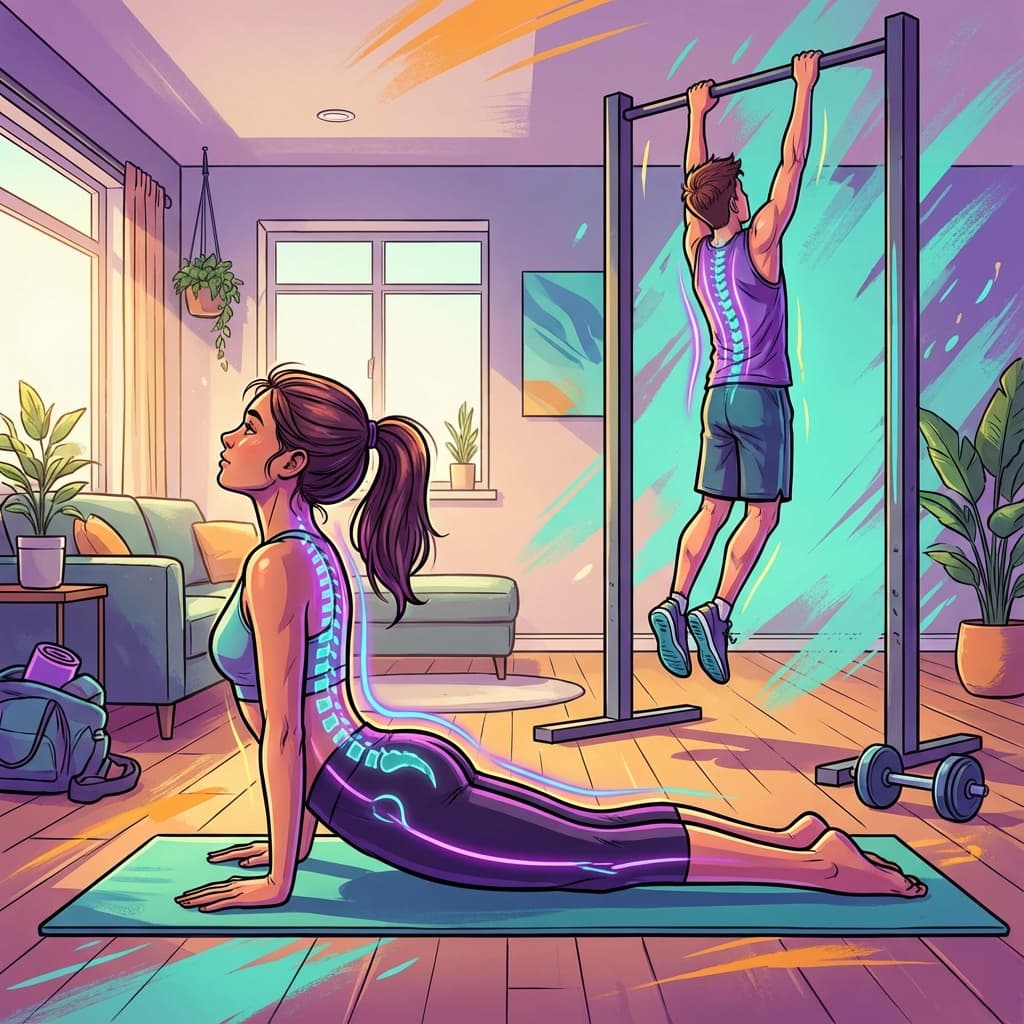
Not all sports are created equal when it comes to supporting healthy teen growth. Some activities actively promote spinal decompression, posture improvement, and the release of growth-supporting hormones — while others can actually compress the spine or lead to overuse injuries.
If you're a teenager who wants to maximize your height potential while building lifelong fitness, this guide breaks down the best sports for growth, backed by research and real-world results.
Why Sports Matter for Height Growth
According to the American Academy of Pediatrics, regular physical activity during adolescence is critical for:
- Bone density development: Weight-bearing exercise strengthens bones during peak growth years
- Growth hormone release: Intense exercise stimulates natural HGH production
- Posture improvement: Strong muscles support proper spinal alignment
- Joint mobility: Flexible joints allow bones to grow without restriction
The Centers for Disease Control recommends teens get at least 60 minutes of moderate-to-vigorous physical activity daily. But the type of activity matters as much as the duration.
The Best Sports for Height Growth
1. Swimming — The #1 Sport for Spinal Health
Why it helps:
Swimming is often called the best sport for height because it provides:
- Full spinal decompression: Floating in water relieves gravity's compression on vertebrae
- Full-body muscle engagement: Strengthens back, shoulders, core, and legs evenly
- Low impact: Zero joint stress means reduced injury risk during growth spurts
- Breathing patterns: Deep breathing expands the ribcage and improves thoracic mobility
Research from the National Institutes of Health shows that swimmers often have excellent posture and above-average height development compared to non-active peers.
Best strokes for growth:
- Backstroke: Opens the chest, counteracts forward slouching
- Freestyle: Builds shoulder and lat strength for posture support
- Breaststroke: Strengthens hip flexors and improves leg drive
Training suggestion: 2-3 sessions per week, 45-60 minutes each
2. Basketball — Jump Your Way Taller
Why it helps:
Basketball players are often tall, but it's not just genetics — the sport itself supports growth through:
- Jumping mechanics: Repeated jumping stimulates bone stress adaptation
- Spinal stretching: Reaching for rebounds and shots lengthens the spine
- Sprint training: High-intensity intervals boost growth hormone
- Coordination: Develops full-body awareness and motor control
The vertical jumping in basketball creates beneficial stress on the long bones (legs and spine), which according to the Cleveland Clinic can support healthy bone remodeling during adolescence.
Key exercises:
- Box jumps
- Layup drills
- Defensive shuffles
- Free throw shooting (promotes upright posture)
Training suggestion: 3-4 sessions per week, mixing games with skill work
3. Volleyball — Height Sports Alternative
Why it helps:
Similar benefits to basketball, but with even more focus on:
- Overhead reaching: Constant spiking and blocking stretches the torso
- Explosive leg power: Jumping and lunging strengthen growth-supporting muscles
- Shoulder development: Powerful shoulder muscles improve posture
- Team coordination: Social benefits boost confidence and mental health
Volleyball is particularly excellent for teens who prefer a less contact-intensive team sport than basketball.
Training suggestion: 2-3 sessions per week, plus daily jumping practice
4. Gymnastics & Stretching-Based Sports
Why it helps:
Gymnastics, yoga, and dance emphasize:
- Maximum flexibility: Maintains full joint range of motion
- Core strength: Strong core = strong posture = taller appearance
- Body awareness: Gymnasts understand their body position at all times
- Spine mobility: Backbends, twists, and extensions keep the spine healthy
Important note: While gymnastics is excellent, competitive gymnastics with very high training volumes has been associated with growth plate stress. Recreational gymnastics and yoga are ideal.
Best exercises:
- Cobra stretch
- Cat-cow
- Hanging from a bar
- Bridge pose
- Downward dog
Training suggestion: Daily 10-15 minute stretching routine, 2-3 structured sessions weekly
5. Climbing — Grip, Hang, Grow
Why it helps:
Rock climbing and bouldering are increasingly popular and offer unique benefits:
- Dead hangs: Spinal decompression under body weight
- Grip strength: Full arm and back engagement
- Problem-solving: Mental challenge increases focus and determination
- Posture activation: You can't climb with a hunched back
Climbing requires you to pull yourself upward repeatedly, which stretches the spine and strengthens the posterior chain (the muscles that keep you standing tall).
Training suggestion: 2 sessions per week, 60-90 minutes each
6. Martial Arts — Discipline Meets Mobility
Why it helps:
Martial arts (especially Taekwondo, Karate, and Judo) combine:
- High kicks: Develop hip flexibility and leg strength
- Stance training: Builds core stability and postural awareness
- Discipline: Consistent practice builds lifelong habits
- Stretching: Most martial arts include extensive flexibility work
Martial arts also boost confidence, which as we discussed in our confidence article, makes you appear taller through better posture and body language.
Training suggestion: 2-3 sessions per week
Sports to Approach Carefully
Not all sports are ideal during peak growth years. Some activities can place excessive stress on developing bones:
High-Impact Concerns:
- Long-distance running: Repetitive impact can stress joints; balance with strength training
- Powerlifting/Heavy weights: Improper form with heavy loads risks growth plate injury
- Contact sports (football, rugby): Higher concussion and bone fracture risk
These sports aren't bad, but teens should:
- Use proper technique
- Work with qualified coaches
- Balance with flexibility and recovery work
- Not specialize too early (single-sport focus before 15 is not recommended)
The Ideal Weekly Schedule for Growing Teens
Here's a sample training week that balances growth-supporting activities:
| Day | Activity | Duration |
|-----|----------|----------|
| Monday | Swimming | 45 min |
| Tuesday | Basketball or volleyball | 60 min |
| Wednesday | Rest or light stretching | 15 min |
| Thursday | Strength training (bodyweight) | 30 min |
| Friday | Swimming or climbing | 45-60 min |
| Saturday | Fun sport (choice) | 60+ min |
| Sunday | Yoga/stretching | 20-30 min |
Key principles:
- At least 1 rest day per week
- Include both low-impact (swimming) and high-intensity (basketball) activities
- Daily stretching, even on rest days
- Prioritize sleep: 8-10 hours nightly to maximize growth hormone
Don't Forget the Fundamentals
Sports alone won't maximize your height. According to Mayo Clinic, the benefits of exercise work best when combined with:
1. Adequate sleep: 8-10 hours for peak growth hormone release
2. Proper nutrition: Protein, calcium, vitamin D, zinc
3. Hydration: Water supports all metabolic processes
4. Stress management: Chronic stress inhibits growth
Key Takeaways
1. Swimming is #1 for spinal decompression and overall growth support
2. Jumping sports (basketball, volleyball) stimulate healthy bone stress
3. Climbing and gymnastics improve posture and spinal health
4. Balance intensity with flexibility and recovery
5. Avoid early specialization — play multiple sports before age 15
6. Daily stretching is non-negotiable for growing bodies
The best sport is the one you'll actually do consistently. Find activities you enjoy, train smart, and your body will reward you with better posture, stronger bones, and potentially those extra inches you're working toward.
Want to track your sports activities and growth progress? The TallerTeen app includes exercise logging, posture reminders, and personalized growth tracking. Download now and start optimizing your routine.