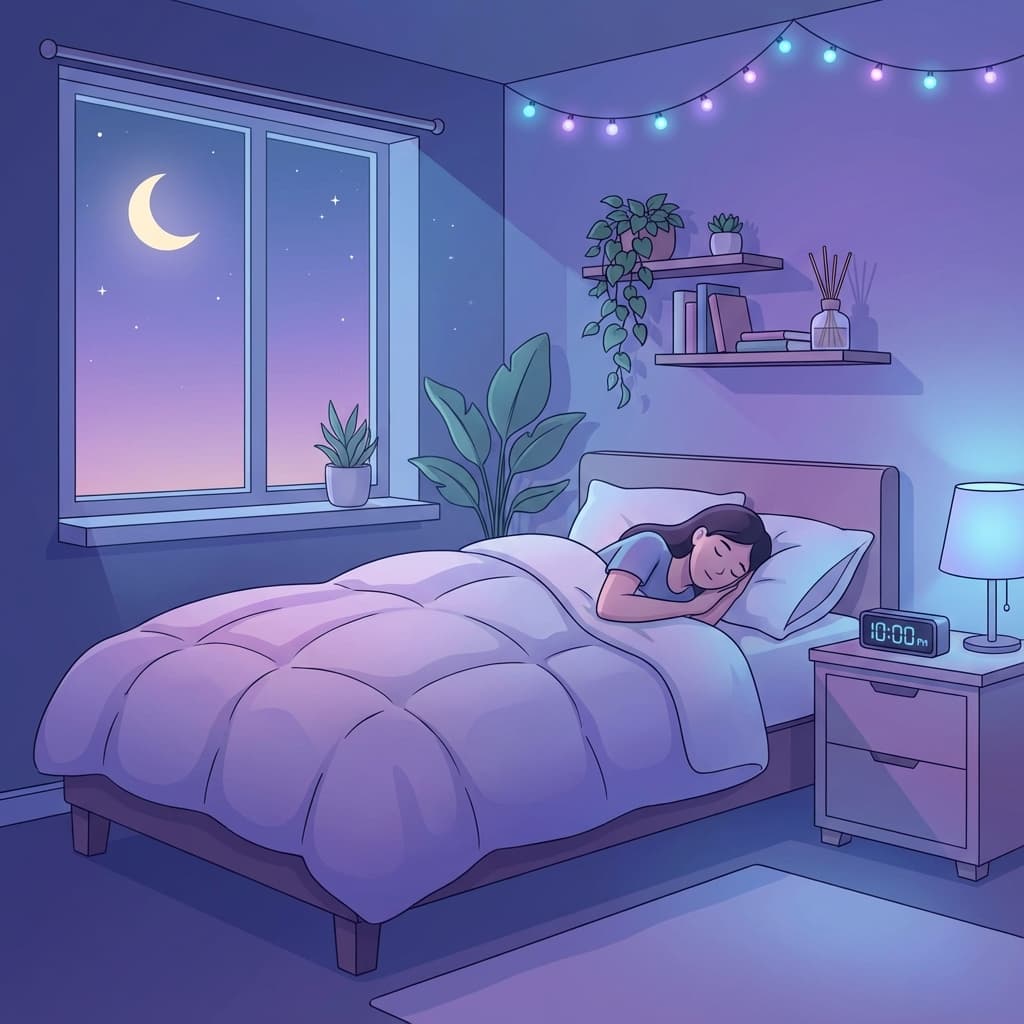
If you're wondering "how to grow taller naturally," the answer might be simpler than you think: optimize your sleep. Research shows that up to 80% of growth hormone is released during sleep, making quality rest the single most important factor in maximizing your height potential.
The Science of Sleep and Height Growth
Growth Hormone Release During Sleep
Growth hormone (GH) follows a predictable pattern during sleep:
Stage 1-2 (Light Sleep): Minimal GH release
Stage 3-4 (Deep Sleep): Peak GH production (75-80% of daily total)
REM Sleep: Secondary GH pulses
Sleep Transitions: Brief GH releases during stage transitions
Critical timing: The largest GH pulse occurs within the first 2 hours of deep sleep, typically between 10 PM and 2 AM for most teens.
Why Teens Need More Sleep for Growth
Adolescents require 8-10 hours of sleep nightly because:
1. Growth spurts increase sleep needs: During rapid growth periods, teens may need up to 11 hours
2. Circadian rhythm shifts: Teen biology naturally shifts sleep timing later
3. Increased GH sensitivity: Growing bones and muscles respond more strongly to GH during adolescence
4. Brain development: Sleep supports both physical growth and cognitive development
The Growth Hormone Sleep Cycle
Hour 1: Transition to deep sleep, initial GH pulse begins
Hour 2: Peak GH release (can be 10-15 times higher than daytime levels)
Hours 3-4: Sustained elevated GH with additional pulses
Hours 5-6: Secondary GH releases during REM cycles
Hours 7-8: Final growth hormone optimization before waking
The 8-Step Sleep Optimization Protocol
Step 1: Establish Your Optimal Sleep Schedule
Target bedtime for teens: 9:30-10:30 PM
Target wake time: 6:30-7:30 AM
Total sleep: 8-10 hours (9 hours is optimal for most teens)
How to find your ideal schedule:
1. Track your natural sleep patterns for one week
2. Note when you feel most tired in the evening
3. Calculate backward from your required wake time
4. Gradually shift bedtime by 15 minutes every few days
5. Maintain consistency for at least 2 weeks to establish the pattern
Weekend consistency: Maintain the same schedule within 1 hour, even on weekends. "Social jet lag" from weekend sleep-ins can disrupt your circadian rhythm for the entire following week.
Step 2: Create the Perfect Sleep Environment
Temperature optimization: 60-67°F (15-19°C)
- Why it matters: Core body temperature naturally drops during sleep
- Growth benefit: Cooler temperatures promote deeper sleep and longer GH pulses
- Implementation: Use a programmable thermostat, breathable bedding, or a fan
Darkness maximization:
- Complete darkness: Even small amounts of light can suppress melatonin
- Growth hormone impact: Light exposure can reduce GH release by up to 50%
- Solutions: Blackout curtains, eye mask, cover LED lights on electronics
- Red light exception: Red wavelengths (>600nm) don't disrupt melatonin production
Sound optimization:
- Quiet environment: Sudden noises can fragment sleep and interrupt GH pulses
- Consistent background sound: White noise, brown noise, or nature sounds can mask disruptive noises
- Growth benefit: Uninterrupted sleep cycles maximize growth hormone production
Air quality considerations:
- Fresh air circulation: Stuffy rooms can reduce sleep quality
- Humidity levels: 30-50% relative humidity is optimal
- Plants that help: Snake plants, peace lilies (release oxygen at night)
Step 3: Master Pre-Sleep Nutrition Timing
The 3-2-1 Rule:
- 3 hours before bed: Last large meal
- 2 hours before bed: Last caffeine
- 1 hour before bed: Last screens
Growth-promoting pre-sleep nutrition:
Option 1 - The GH Booster:
- 1 cup Greek yogurt (casein protein for overnight muscle feeding)
- 1 tablespoon almond butter (healthy fats and magnesium)
- 1 teaspoon honey (small amount of glucose to support tryptophan uptake)
- Handful of tart cherries (natural melatonin source)
Option 2 - The Calcium Power Bowl:
- 1 cup warm milk (calcium and tryptophan)
- 1 tablespoon ground flaxseed (omega-3s and fiber)
- 1/2 banana (potassium and natural sugars)
- Pinch of cinnamon (blood sugar regulation)
Option 3 - The Recovery Combo:
- 2 oz cottage cheese (slow-digesting protein)
- 1 small apple with peanut butter (balanced macronutrients)
- Herbal tea like chamomile or passionflower
Foods to avoid 3-4 hours before bed:
- Spicy foods (can raise body temperature)
- High-fat meals (take more energy to digest)
- Excessive fluids (can cause nighttime wake-ups)
- Alcohol (disrupts sleep architecture and suppresses GH)
Step 4: Optimize Light Exposure Patterns
Morning light therapy:
- Timing: Within 30 minutes of waking
- Duration: 10-30 minutes of bright light (10,000 lux if using a therapy lamp)
- Benefits: Sets circadian rhythm, improves evening melatonin production
- Growth impact: Better circadian alignment leads to more predictable and robust GH release
Daytime light exposure:
- Goal: At least 30 minutes of natural outdoor light daily
- Benefits: Maintains healthy circadian rhythm
- Implementation: Eat lunch outside, walk between classes, exercise outdoors
Evening light management:
- Blue light reduction: Use blue light blocking glasses or apps after 7 PM
- Dim lighting: Gradually reduce light intensity 2-3 hours before bed
- Screen alternatives: Reading, gentle stretching, meditation, journaling
Step 5: Develop a Growth-Focused Wind-Down Routine
90-minute pre-sleep protocol:
90 minutes before bed - Digital sunset:
- Turn off all screens or use blue light filters
- Switch to warm, dim lighting throughout the house
- Begin transitioning to relaxing activities
60 minutes before bed - Physical preparation:
- Warm shower or bath (raises then lowers body temperature)
- Gentle stretching or yoga (particularly spine-focused)
- Progressive muscle relaxation
- Light reading or journaling
30 minutes before bed - Mental preparation:
- Gratitude practice (3 things you're grateful for)
- Deep breathing exercises (4-7-8 technique)
- Meditation or mindfulness practice
- Review tomorrow's priorities (clear mental "to-do" list)
Bedtime - Sleep optimization:
- Room temperature set to 65-68°F
- Complete darkness achieved
- Comfortable sleepwear (moisture-wicking, loose-fitting)
- Consistent bedtime routine signal to brain that sleep is coming
Step 6: Strategic Supplementation for Sleep Quality
Evidence-based sleep supplements (consult healthcare provider first):
Melatonin:
- Dosage: 0.5-3mg, 30-60 minutes before desired sleep time
- Best for: Circadian rhythm disorders, difficulty falling asleep
- Growth benefit: Directly supports GH release during sleep
- Important: Start with lowest effective dose, avoid long-term dependence
Magnesium:
- Dosage: 200-400mg, 1-2 hours before bed
- Best forms: Magnesium glycinate or bisglycinate (better absorbed, less digestive upset)
- Benefits: Muscle relaxation, nervous system calming, supports deep sleep
- Growth impact: Cofactor for over 300 enzymes, including those involved in GH production
L-Theanine:
- Dosage: 100-200mg, 30-60 minutes before bed
- Source: Green tea extract or supplement
- Benefits: Promotes relaxation without sedation, improves sleep quality
- Growth benefit: Reduces stress hormones that can interfere with GH release
GABA:
- Dosage: 250-750mg before bed
- Benefits: Natural calming neurotransmitter, promotes deep sleep
- Considerations: Some people don't absorb supplemental GABA well
Natural alternatives:
- Valerian root: 300-600mg, traditional sleep herb
- Passionflower: 250-500mg, anxiety reduction and sleep quality
- Chamomile tea: 1-2 cups in the evening, gentle relaxation
- Tart cherry juice: 8oz, natural melatonin source
Step 7: Address Common Sleep Disruptors
Technology management:
- Blue light exposure: Use f.lux, Night Shift, or blue light glasses after sunset
- Phone placement: Charge phone outside bedroom or in airplane mode
- Smart alarms: Use sleep cycle alarms that wake you during lighter sleep phases
- EMF concerns: Some people are sensitive to electromagnetic fields from devices
Stress and anxiety management:
- Worry time: Designate 10-15 minutes earlier in the day for worrying
- Journaling: Write down concerns to "park" them outside your mind
- Progressive muscle relaxation: Tense and release muscle groups systematically
- Breathing techniques: 4-7-8 breathing, box breathing, or alternate nostril breathing
Physical comfort optimization:
- Mattress quality: Supportive but comfortable, replace every 7-10 years
- Pillow support: Maintains natural neck curve, side sleepers may need firmer pillows
- Bedding materials: Breathable, moisture-wicking fabrics
- Room ventilation: Fresh air circulation without drafts
Caffeine sensitivity management:
- Individual variation: Some teens clear caffeine faster than others
- General rule: No caffeine after 2 PM
- Hidden sources: Chocolate, some medications, energy drinks
- Withdrawal protocol: Gradually reduce to avoid headaches and energy crashes
Step 8: Track and Optimize Your Sleep Quality
Subjective tracking (daily):
- Sleep onset time (how long to fall asleep)
- Number of wake-ups during night
- Morning energy levels (1-10 scale)
- Sleep quality rating (1-10 scale)
- Dreams recalled (indicator of REM sleep)
Objective tracking options:
- Wearable devices: Track sleep stages, heart rate variability, movement
- Smartphone apps: Use accelerometer to detect movement and sleep phases
- Sleep diary: Manual tracking of sleep timing, quality, and factors
Weekly assessment:
- Average sleep duration
- Consistency of sleep/wake times
- Energy levels throughout the week
- Physical recovery and performance
- Mood and stress levels
Monthly optimization:
- Review sleep environment effectiveness
- Adjust pre-sleep routine timing
- Evaluate supplement effectiveness
- Consider professional sleep study if issues persist
Advanced Sleep Strategies for Maximum Growth
Sleep Stage Optimization
Deep sleep maximization techniques:
- Exercise timing: Finish intense exercise 3-4 hours before bed
- Temperature manipulation: Hot bath followed by cool environment
- Meditation practices: Yoga nidra, body scan meditations
- Binaural beats: Delta wave frequencies (0.5-4 Hz) may promote deep sleep
REM sleep enhancement:
- B6 supplementation: 50-100mg may increase dream recall and REM duration
- Lucid dreaming practices: Can indicate healthy REM sleep
- Sleep position: Side sleeping may promote better REM cycles
- Consistent schedule: REM sleep is most sensitive to schedule disruptions
Seasonal Sleep Adjustments
Winter optimization:
- Light therapy: 10,000 lux light box for 20-30 minutes each morning
- Vitamin D supplementation: 1000-2000 IU to support circadian rhythms
- Earlier bedtime: Take advantage of natural darkness cues
- Warm bedroom preparation: Pre-warm bed, then cool for sleep
Summer challenges:
- Blackout curtains: Essential for early sunrise management
- Cooling strategies: Fans, cooling mattress pads, lighter bedding
- Consistent schedule: Maintain routine despite longer days
- Evening cool-down: Spend time in air conditioning before bed
Growth Spurt Sleep Adjustments
During rapid growth periods:
- Increased sleep need: May require 9-11 hours instead of 8-9
- Enhanced recovery: Growth spurts increase physical demands
- Nutritional support: Increase protein and calcium intake to support overnight processes
- Growth pain management: Gentle stretching, warm baths, proper nutrition
Signs you need more sleep during growth:
- Excessive daytime fatigue
- Increased appetite
- Mood changes or irritability
- Decreased athletic performance
- Frequent illness (growth taxes immune system)
Troubleshooting Common Teen Sleep Problems
"I Can't Fall Asleep Before Midnight"
Circadian rhythm disorder considerations:
- Teen biology naturally shifts sleep timing later
- Social and academic demands often conflict with natural patterns
- Light exposure timing may need adjustment
Solutions:
- Light therapy: Bright light immediately upon waking
- Melatonin timing: Take 4-6 hours before desired sleep time
- Gradual shifting: Move bedtime 15 minutes earlier every few days
- Weekend consistency: Avoid sleeping in, which reinforces late schedule
"I Wake Up Multiple Times During the Night"
Common causes:
- Bedroom environment issues (temperature, light, noise)
- Caffeine sensitivity or late consumption
- Stress and anxiety
- Sleep apnea or other breathing issues
- Full bladder from evening fluid intake
Solutions:
- Environment audit: Systematically address temperature, light, and sound
- Stress management: Evening relaxation routine, stress reduction techniques
- Fluid timing: Stop drinking fluids 2-3 hours before bed
- Medical evaluation: If problems persist, consider sleep study
"I Feel Tired Even After 8+ Hours of Sleep"
Possible factors:
- Poor sleep quality despite adequate duration
- Sleep disorders (sleep apnea, restless leg syndrome)
- Nutritional deficiencies (iron, B12, vitamin D)
- Depression or anxiety
- Inconsistent sleep schedule
Investigation steps:
- Sleep quality assessment: Track deep sleep vs. light sleep
- Nutritional evaluation: Blood tests for common deficiencies
- Mental health screening: Stress, anxiety, and depression can impact sleep quality
- Professional evaluation: Sleep medicine consultation if issues persist
"I Have Trouble Waking Up in the Morning"
Natural solutions:
- Light exposure: Sunrise alarm clocks or bright lights immediately upon waking
- Consistent schedule: Same wake time every day, including weekends
- Evening preparation: Lay out clothes, prepare breakfast, reduce morning decisions
- Gradual adjustment: Shift wake time by 15 minutes every few days
Advanced strategies:
- Sleep cycle timing: Use apps to wake during lighter sleep phases
- Cold exposure: Brief cold shower or face washing to increase alertness
- Protein breakfast: Immediate protein intake to stabilize blood sugar and energy
Expected Results Timeline
Week 1-2: Foundation Building
- Improved sleep onset time
- Reduced nighttime wake-ups
- Better morning alertness
- Enhanced mood stability
Week 3-6: Sleep Architecture Improvement
- Increased deep sleep duration
- More consistent sleep schedule
- Better stress management
- Improved physical recovery
Week 7-12: Growth Optimization
- Maximized growth hormone production
- Enhanced physical development
- Improved athletic performance
- Better cognitive function
Month 3-6: Long-term Benefits
- Optimal sleep patterns become habitual
- Sustained growth hormone optimization
- Enhanced overall health and development
- Improved stress resilience
Creating Your Personal Sleep Optimization Plan
Phase 1: Assessment (Week 1)
- Track current sleep patterns
- Identify major sleep disruptors
- Assess bedroom environment
- Note energy levels and mood patterns
Phase 2: Environment Optimization (Week 2-3)
- Address temperature, light, and sound issues
- Implement technology boundaries
- Establish consistent sleep/wake times
- Begin pre-sleep routine development
Phase 3: Routine Implementation (Week 4-6)
- Refine pre-sleep nutrition timing
- Develop consistent wind-down routine
- Optimize morning light exposure
- Begin supplement protocol if needed
Phase 4: Fine-tuning (Week 7-12)
- Adjust timing based on results
- Address remaining sleep challenges
- Optimize for individual preferences
- Establish long-term sustainability
Conclusion: Sleep Your Way to Maximum Height
Quality sleep isn't just rest – it's the foundation of growth. By optimizing your sleep for maximum growth hormone production, you're giving your body the best possible chance to reach its full height potential.
Key takeaways:
- Consistency beats perfection: Regular sleep schedule is more important than perfect conditions
- Environment matters: Small changes in temperature, light, and sound can dramatically improve sleep quality
- Growth spurts require more sleep: Listen to your body's increased sleep needs during rapid growth
- Professional help is available: Don't hesitate to consult healthcare providers for persistent sleep issues
Ready to optimize your sleep for maximum growth? Download the TallerTeen app for personalized sleep tracking, customized routines, and expert guidance to help you grow taller while you sleep.