Let's be honest. You've probably Googled "how to grow taller" at 2 AM, scrolled through a bunch of sketchy videos promising 3 inches in 30 days, and felt confused about what's actually real.
You're not alone. Height is one of the most searched topics by teens, and most of the information out there is either too complicated, too boring, or straight-up fake.
So let's cut through the noise together.
What Are Growth Plates, Really ? (The Simple Version)
Think of growth plates as the "construction zones" in your bones.They're small areas of soft cartilage located near the ends of your arm and leg bones—basically anywhere there's a joint.
Here's what they do: they keep producing new bone cells, which makes your bones grow longer. That's literally how you get taller.
The catch? These construction zones don't stay open forever. For most guys, growth plates close somewhere between 16 and 21. For most girls, it's between 14 and 17. Once they close, that's it—no more length gets added.
This is why the teen years actually matter. Not because of magic tricks.But because your body is still building, and you can create the best possible environment for that process.
What Exercise Can(and Can't) Do for Your Height
Let's be clear about this upfront—because a lot of content online either over-promises or completely dismisses exercise.
What exercise CAN help with:
- Better posture — which instantly makes you look and measure taller
- Spinal decompression — releasing the daily compression your spine builds up
- Healthy hormone levels — exercise boosts growth hormone naturally
- Bone health — moderate stress on bones signals them to stay strong and active
- Blood flow to growth areas — nutrients get delivered more efficiently
What exercise CANNOT do:
- Magically add inches beyond your genetic potential
- Re - open growth plates that have already closed
- Replace sleep and nutrition(those matter more)
So think of exercise as one part of a bigger picture—not a miracle fix, but a real contributor.
The Key Insight: Moderate Stress Is the Sweet Spot
Here's something they usually leave out of the "how to grow taller" videos:
Your growth plates respond to mechanical stress.But there's a catch—it's all about the right amount .
- No stress at all = your body has no signal to adapt or grow stronger
- Moderate stress = your body gets the message: "build more, strengthen this area"
- Excessive stress = risk of damage, especially to cartilage and joints
This is why lifting crazy heavy weights at 14 isn't smart—but sitting on the couch all day isn't great either.
The goal is movement, stretching, and light loading that wakes your body up without overwhelming it.Think active, not extreme.
The Best Types of Exercise(And Why Each One Helps)
Instead of throwing a list at you, let's actually explain why these exercises matter and who they're best for.
1. Decompression Exercises(Hanging, Swimming, Stretching)
Why it helps:
Throughout the day, gravity compresses your spine.Your discs get squished.By the end of the day, you're literally a bit shorter than when you woke up. Decompression exercises reverse this—they let your spine "breathe."
Hanging from a bar, for example, uses your lower body weight to gently pull your vertebrae apart.Research shows this can temporarily add a few millimeters of height per session.It's not permanent bone growth, but it keeps your spine healthy and maximizes the space you already have.
Who it's for: Everyone. Especially if you sit a lot (school, gaming, studying).
How often: 3 - 5 sets of 20 - 30 seconds of hanging, morning and evening.Swimming 2 - 3x per week is great too.
2. Stretching and Flexibility Work
Why it helps:
Tight muscles pull your body out of alignment.Tight hip flexors tilt your pelvis forward.Tight chest muscles round your shoulders.All of this compresses your spine and makes you look shorter than you are.
Stretches like the Cobra, Cat - Cow, and forward folds lengthen these tight areas and allow your skeleton to stack properly.You're not growing new bone—you're just letting your body show its actual height.
Who it's for: Anyone with posture issues, phone use habits, or desk-heavy schedules.
How often: 10 - 15 minutes daily.Morning and / or evening.
3. Low - Impact, Jumping - Based Activities
Why it helps:
Brief, high - impact movements(like jumping) send signals to your bones that say "hey, you need to be strong." This is called mechanical loading.It stimulates bone density and can support growth plate activity.
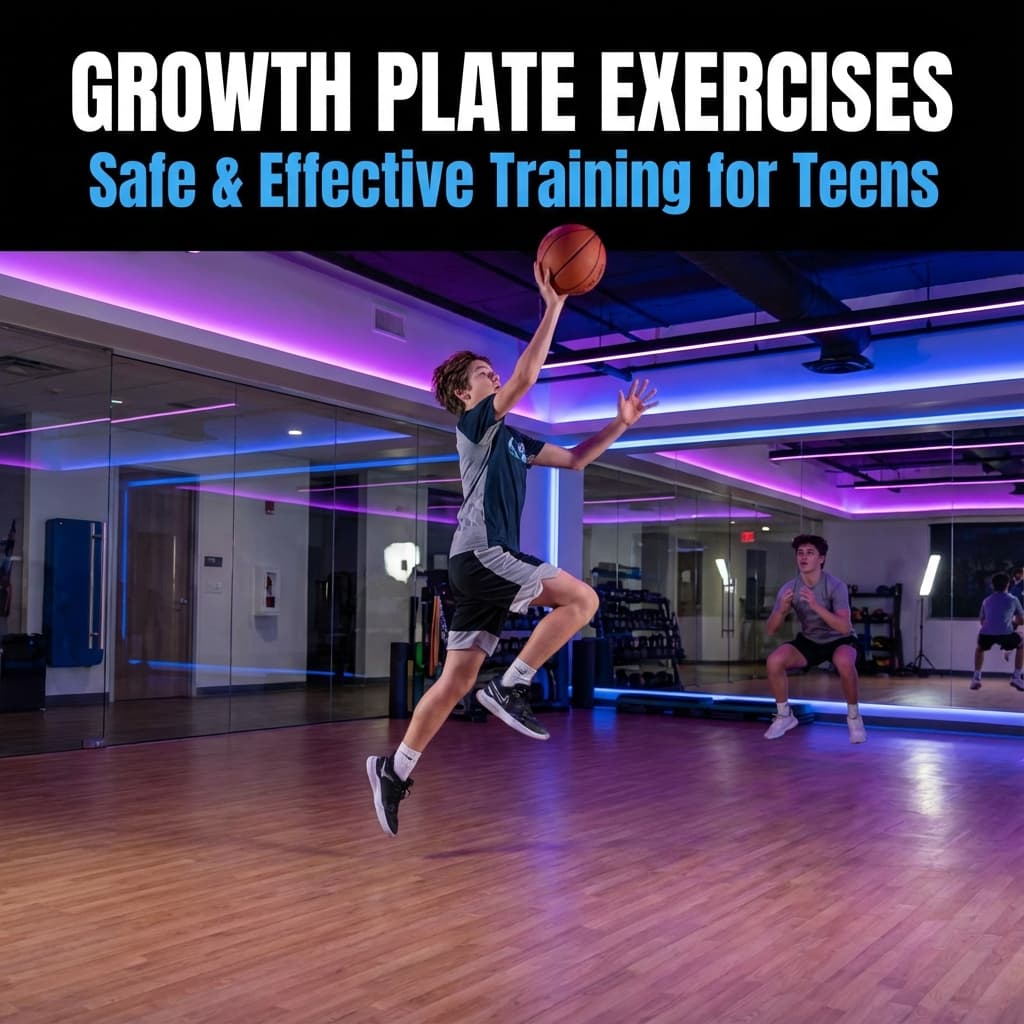
Jump rope, basketball, volleyball, and vertical jumps all fall into this category.These aren't heavy enough to cause damage, but they're active enough to trigger a positive response.
Who it's for: Teens who want to combine exercise with something fun and sport-based.
How often: 3 - 5 times per week. 15 - 30 minutes of jumping - based activity is plenty.
4. Postural Strength(Core, Back, Glutes)
Why it helps:
Weak muscles = poor posture = compressed spine = shorter appearance.
When your core is strong, it holds your torso upright.When your back muscles are active, they prevent hunching.When your glutes are firing, your pelvis stays neutral instead of tipping forward.
Exercises like planks, superman holds, glute bridges, and wall slides all help you build the postural foundation to stand tall.
Who it's for: Every teen. Especially if you notice slouching or lower back tightness.
How often: 2 - 3x per week as part of a general routine.
Myths Teens Believe(Gently Debunked)
Myth: "Weightlifting stunts your growth"
Reality: This one's misunderstood. Light to moderate resistance training is totally safe—and can actually support bone health. The issue is improper heavy lifting, or using adult-level weights before your body is ready. Bodyweight exercises and moderate weights (where you can do 12-15 reps) are fine.
Myth: "Stretching makes your bones longer"
Reality: Stretching doesn't lengthen bones. What it does is improve posture and decompress your spine—which makes you appear taller and measure taller. That's still a win, just not through bone extension.
Myth: "Jumping is dangerous for growth plates"
Reality: Normal jumping is fine.In fact, it's beneficial. The concern only applies to extreme, repetitive high-impact activities done incorrectly or excessively. Playing basketball, jumping rope, or doing plyometrics in a structured way is totally safe.
Myth: "More exercise = more height"
Reality: Overtraining can actually backfire.Your body grows during rest, not while you're working out. If you never recover, you're hurting your progress.Balance is key.
What Actually Matters Most
If we zoom out from just exercise, here's the real picture:
| Factor | Impact on Height Potential |
| --------| ---------------------------|
| Genetics | ~60 - 80 % of final height is determined by genes |
| Sleep | Growth hormone is released mainly during deep sleep |
| Nutrition | Protein, calcium, vitamin D, zinc = building blocks |
| Exercise | Supports posture, bone health, and hormone levels |
| Posture | Can visually add 1 - 2 inches just by standing properly |
Exercise alone isn't going to override your DNA. But when combined with great sleep, proper nutrition, and daily movement—it gives your body the best shot at reaching its full potential.
Think of it like planting a seed.You can't change what type of plant it becomes—but you can give it the best soil, water, and sunlight so it grows as tall as possible.
The Bottom Line
Here's the honest takeaway:
- Growth plates are real.They close eventually.Your teen years are the window.
- Exercise can support healthy bones, good posture, and hormone balance.
- It won't magically add inches, but it's part of the full picture.
- The best routine includes stretching, decompression, light strength, and movement you enjoy.
- Sleep and nutrition probably matter even more.
You don't need a complicated program. You just need consistency—15-20 minutes a day of stretches, some hanging, a few jumping activities, and basic strength work.
If you want a simple, structured routine that pulls all of this together—TallerTeen has daily guided workouts designed specifically for teens, with science explanations for every move.No hype.No gimmicks.Just a realistic approach to help you make the most of your growth years.